Quick answer: Getting cited in ChatGPT comes down to four things. Let AI crawlers access your site. Make your brand entity clear and consistent across the web. Publish content that answers real buyer questions in short, quotable passages. Earn mentions from trusted third party sources. This guide gives you the full ten step checklist.
Why ChatGPT Citations Are the New Page One
Traditional SEO fights for ten blue links. In AI search there is no page one. There is only the answer. When a buyer asks ChatGPT for the best ceramic coating brand in Vancouver or the best SEO agency for small businesses, the brands named in that answer win the lead. The brands left out are invisible, even if they rank well on Google.
Research on generative engine optimization shows that simple changes to content structure can lift citation visibility significantly. Traffic from AI answers also converts well, because the visitor has already read a detailed explanation before clicking. If your business depends on being discovered, being quotable is now as important as being rankable.
How ChatGPT Actually Chooses What to Cite
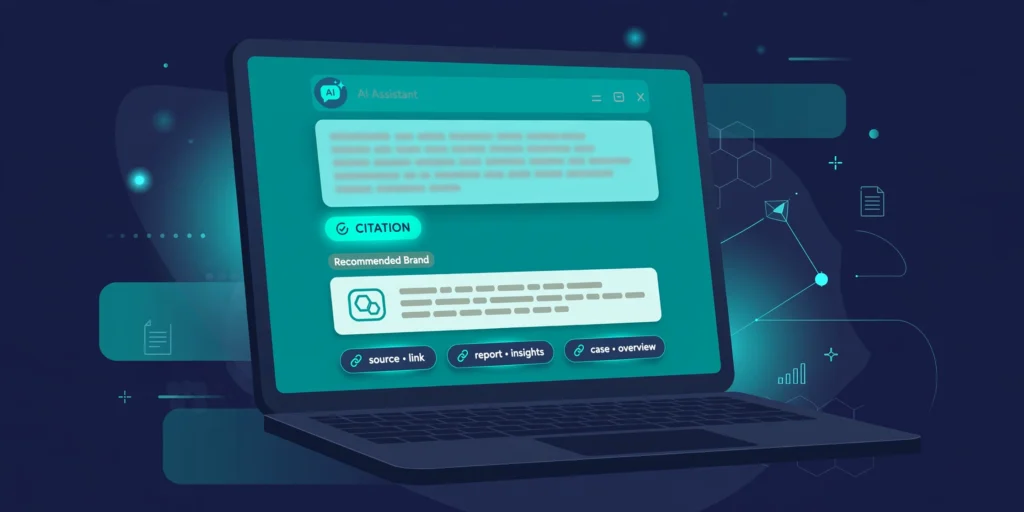
This is the foundation of the whole checklist. ChatGPT and similar engines do not rank pages the way Google does. They build answers from passages that are easy to find, easy to trust and easy to quote.
- Crawl access. If AI crawlers cannot read your pages, they cannot cite them. OpenAI uses OAI SearchBot for ChatGPT Search results and GPTBot for training data.
- Entity clarity. The engine needs to know exactly who you are, what you do and who you serve. Conflicting business details across directories make you look unreliable.
- Extractability. Clean, direct answers in your content get quoted. Long, vague marketing copy does not.
- Third party authority. Mentions on review sites, directories, news outlets and community forums act as votes of confidence.
The 10 Step GEO Checklist for 2026
Step 1: Let the AI crawlers in
Check your robots.txt file. Many sites accidentally block GPTBot, OAI SearchBot, PerplexityBot or ClaudeBot with an overly broad disallow rule. Review the file and confirm that these crawlers are allowed on the pages you want cited. This takes five minutes and it is the single most common technical blocker we find in audits.
Step 2: Define your brand entity everywhere
Use the exact same business name, category, description and contact details on your website, Google Business Profile, LinkedIn, review platforms and directories. Write a clear About page that states what you do, who you serve and where you operate in plain language. Add Organization schema markup so machines receive the facts in structured form.
Step 3: Map the prompts your buyers actually ask
Forget keyword lists for a moment. Write down the real questions customers ask before buying. What does ceramic coating cost in Vancouver? How long does SEO take for a new website? Is guest posting still safe in 2026? Each of these is a page or a section waiting to be written. Open ChatGPT Search and run these prompts to see which sources get cited now. That is your competitive baseline.
Step 4: Lead every page with a direct answer
Put a 40 to 60 word answer at the top of each important page, right under the heading. Answer the question first, then explain. AI engines lift self contained passages that need no surrounding context. This also improves your chances of winning Google AI Overviews and featured snippets, so the same work pays off twice.
Step 5: Structure content for easy extraction
Use descriptive headings, short paragraphs, numbered lists, bullet lists and comparison tables. Add an FAQ section that answers the follow up questions an AI engine would ask next. Name your author and show and show a visible last updated date, because recency and accountability both influence trust.
Step 6: Add schema markup
Implement Article, FAQPage and Organization schema on your key pages. Schema does not guarantee citations, but it removes ambiguity about your facts. Think of it as handing the engine a clean label for every claim on your page.
Step 7: Earn third party mentions
This is the biggest lever. AI engines trust what others say about you more than what you say about yourself. Get listed in relevant directories, collect genuine customer reviews, contribute expert quotes to industry publications and earn guest post placements on respected sites. Each quality mention strengthens the web of trust around your brand.
Step 8: Publish original data and clear opinions
Citing a page that says SEO is important adds nothing. Citing a page that shares original survey data, a documented case study or a clear expert position adds value. Publish numbers from your own work, like traffic growth percentages or realistic timelines, and the engines will have a reason to quote you instead of a competitor.
Step 9: Keep your content fresh
Recency is a signal in AI answers. A 2023 page answering 2026 questions loses to a 2026 page. Review your top pages every quarter. Update statistics, refresh examples and change the last updated date when you make real changes.
Step 10: Measure your AI visibility
Pick 20 to 50 prompts your customers actually ask and run them monthly across ChatGPT, Perplexity and Google AI Overviews. Record how often your brand is mentioned or cited. Also check your analytics for referral traffic from chat.openai.com, perplexity.ai and similar sources. What gets measured gets improved.
What NOT to Do
Google’s 2026 guidance confirmed that special AI schema tricks, content chunking hacks and llms.txt files are not required for generative search visibility. Solid SEO fundamentals plus citable expert content remain the reliable path. Be suspicious of anyone selling secret GEO hacks. Also avoid publishing thin AI generated content at scale. Engines reward original insight, not volume.
How Long Does GEO Take?
Technical fixes like crawler access and schema can improve visibility within weeks. Entity building and third party mentions typically take two to four months to compound. Treat it as a quarterly program, not a one time task. Most businesses we work with see their first AI citations within 60 to 90 days of consistent work.
Frequently Asked Questions
Is GEO the same as SEO?
Not exactly, but they overlap heavily. Technical SEO gets you crawled, classic SEO gets you ranked, and GEO gets you quoted inside AI answers. Google itself says optimizing for its generative features is still SEO, with an extra layer on top.
Can a small business get cited in ChatGPT?
Yes, and small businesses often have an advantage. Specificity beats size in AI answers. A page that says we install air conditioners in Cape Town at a fixed price beats a national chain’s generic page for the matching prompt.
Do I need to allow GPTBot?
OAI SearchBot controls whether your content appears in ChatGPT Search results. GPTBot is used for training future models. Allowing both is the safe choice if you want maximum AI visibility.
Will GEO replace my SEO strategy?
No. Pages that already rank well organically tend to perform well in AI answers too. GEO sits on top of strong SEO, it does not replace it.
How do I track ChatGPT citations?
Run your target prompts monthly in ChatGPT, Perplexity and Google AI Overviews and log every mention of your brand. Combine this with referral traffic data from your analytics for the full picture.
Ready to Own the AI Answer?
At SEO Spider, our GEO services combine technical audits, entity optimization, citation ready content and authority building so your brand shows up wherever customers are searching, from Google to ChatGPT and beyond. Contact us for a free consultation and we will map your first 50 target prompts together.