
Quick answer: Local SEO for restaurants works when people nearby find you first, trust what they see, and can book or order in seconds. Claim and complete your Google Business Profile, keep your menu, hours, photos and reviews fresh, and build one page for each location. This turns searches into booked tables and takeout orders.
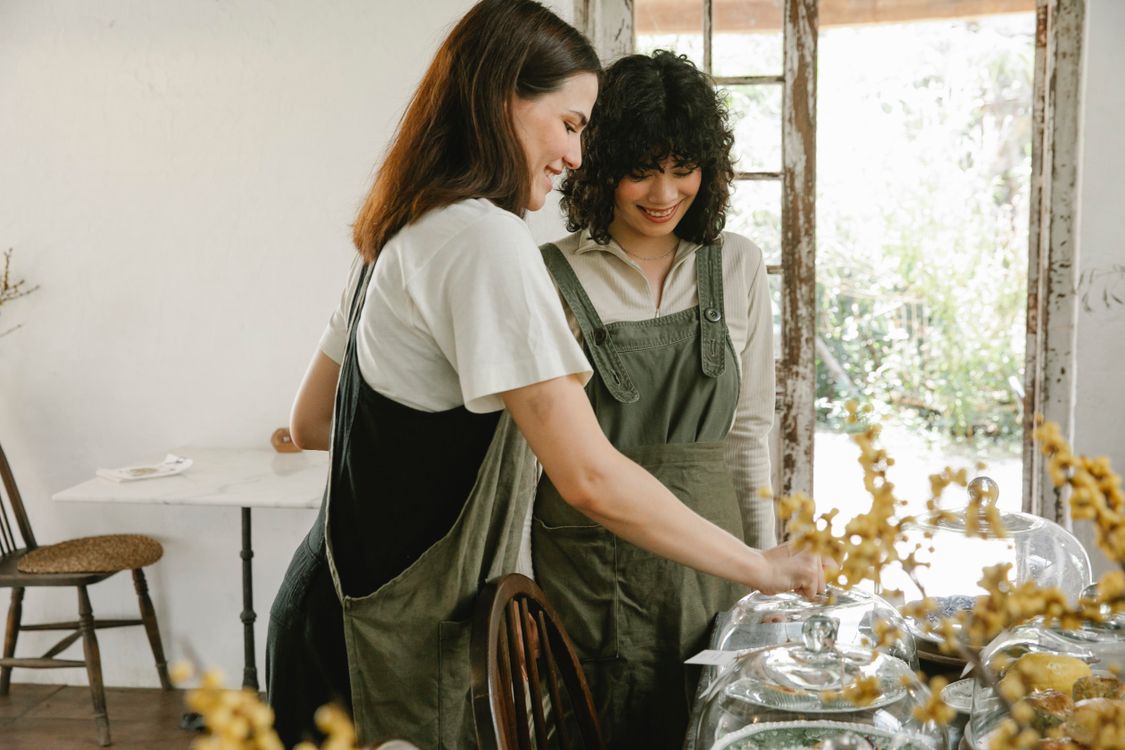
Most restaurant decisions now start with a phone in hand and a hungry searcher nearby. Someone types best pizza near me, or vegan lunch open now, and picks from the first few results that look open and easy to reach. That moment is where local SEO for restaurants earns its keep. It is about winning searches close to your door, at the exact time people are ready to eat.
A strong local presence does three jobs at once. It helps Google understand where you are and what you serve. It helps people trust you before they walk in, through photos, reviews and a clear menu. And it removes friction, so booking a table or placing a takeout order feels simple.
Why local search decides where people eat
Local search is different because intent is immediate. A person searching for a recipe can wait. A person searching for dinner near me cannot. Google weighs distance, relevance and prominence heavily. Distance means how close you are to the searcher. Relevance means how well your listing matches the request. Prominence means how well known and trusted you appear, based on reviews, links, photos and activity.
Start with your Google Business Profile
Your Google Business Profile is the most important asset in local SEO for restaurants. It powers map results and much of what people see before they click. Claim it, verify it and treat it like a living page, not a one time setup task. Your name should match your signage, your address should be complete, and your phone number should be one guests can reach during service.
Choose categories that match how guests search
Categories tell Google what kind of restaurant you are. Your primary category should be the closest match to your main offer, such as Italian restaurant, sushi restaurant or vegan restaurant. Add extra categories only if they are genuinely true. If you want help choosing well, read our Google Business Profile categories guide before you finalise your choices.
Use photos that sell the experience
Photos do more work than almost any other part of your profile. Guests judge food, atmosphere and cleanliness from images before they read a review. Upload bright, real photos of signature dishes, the dining room, outdoor seating and your team at work. Add new photos regularly, especially when the menu or seasons change. A profile with recent photos looks open and cared for.
Keep your menu visible and current
Many guests decide from the menu alone. Publish it on your website in readable text, not only as a scanned image, and make sure the version linked from your profile matches it. Include dish names, clear descriptions, prices and notes for dietary needs. Update it promptly when dishes change or prices rise, because small mismatches create awkward conversations at the table.
Win near me searches
Near me searches are the heart of restaurant discovery. People type tacos near me or best brunch near me, and expect Google to sort out the rest. Use natural language on your website that reflects how guests talk about your area and your food. Mention your neighbourhood, nearby landmarks and dishes you are known for, in sentences that read naturally, without stuffing place names into every sentence.
Reviews help here too, because guests often mention dishes, occasions and locations in their own words. For a deeper plan, read our guide on how to rank for near me searches and apply it alongside this playbook.
Turn reviews into your best marketing
Reviews influence both rankings and decisions. Guests read them to judge quality, service, value and atmosphere. A restaurant with many recent, detailed and positive reviews looks like a safe choice. Ask happy guests at the right moment, such as after a compliment or when a regular returns. Make it easy with one direct review link on receipts, table cards or a message after an online order.
Reply to every review with a human tone. Thank happy guests and mention something specific from their visit. For complaints, apologise sincerely, take fair responsibility, and invite the guest to continue privately. Future readers judge you more by how you handle criticism than by the criticism itself. For practical tactics, see how to get more Google reviews and build a simple weekly habit around it.
- Ask at the moment of delight, not at the moment of payment stress.
- Share one simple link, so guests never have to search for where to leave a review.
- Reply within a few days, while the visit is still fresh.
- Fix the root cause behind repeated complaints, then say so in replies.
Build one strong local page for each location
If you have more than one restaurant, do not send every local searcher to the same generic page. Build one dedicated page for each location, with its own address, phone number, hours, map, menu link, photos and booking options. Each page should feel written for that neighbourhood, with local details a copy and paste page could never provide.
Keep citations consistent everywhere
Citations are mentions of your name, address and phone number on directories, review sites, delivery platforms and local guides. Google uses them to confirm your business is real and located where you claim. When citations disagree, Google loses confidence and your rankings can suffer.
Make menus, reservations and takeout effortless
Local SEO brings people to your door. Conversion happens when booking or ordering feels effortless. Place reservation and order buttons at the top of your homepage, on every local page, and inside your profile through the booking and ordering links Google supports. Then test the full journey yourself on a phone, as a guest would.
For takeout, show delivery areas, pickup times and minimum order details plainly. For reservations, show real availability, party size options and any cancellation policy in simple language. When guests know exactly what to expect, they complete the booking instead of abandoning it for a competitor.
Use seasonal content to stay relevant all year
Restaurants have natural seasons, and local search follows them. Guests search for patios in summer, cosy dining in winter, holiday menus in December and game day platters during major sporting events. For each season, create or update one page covering what you offer, when it is available and how to book, then promote it with a profile post and fresh photos.
Mistakes that quietly hurt restaurant rankings
Many restaurants lose visibility through small, avoidable mistakes. The most common is neglecting the profile after setup: hours go stale, photos age, questions go unanswered and reviews pile up without replies. Another is adding extra keywords to the profile name. That can trigger a suspension and erodes trust when the name does not match your signage.
A slow or confusing website also loses bookings, even with a beautiful profile. Your site should load quickly on a phone and show menu and booking options immediately. If you need help, our local SEO services can audit your profile, local pages and citations, then build a practical plan for your area.
Frequently Asked Questions
How long does local SEO for restaurants take to show results?
Most restaurants see early improvements within a few weeks once the profile is completed and reviews start arriving steadily. Stronger map rankings usually build over two to three months of consistent updates and fresh photos.
Do I need a website if my Google Business Profile is complete?
Yes, a website still matters. Your profile can win attention, but your website closes the booking. It hosts your full menu, reservations and takeout ordering in one place you control.
How many reviews do I need to rank well?
There is no magic number, because quality, recency and relevance matter as much as quantity. A restaurant with fifty recent, detailed reviews often outperforms one with two hundred old, vague reviews.
Should each location have its own Google Business Profile?
Yes, each physical location guests can visit should have its own verified profile, with its own address, phone number, hours and photos. That lets each location rank in its own area.
What should I post on my Google Business Profile?
Post what helps a guest decide and act: new dishes, seasonal menus, events, holiday hours and behind the scenes moments from your kitchen. Keep posts short, visual and current, with a clear next step.
Start winning nearby searches today
Local SEO for restaurants is not a one time trick. It is a habit: keep your profile complete, your photos fresh, your menu current, your reviews flowing and your local pages helpful. Do those things consistently and nearby guests will find you first, trust you faster and book with confidence.
Start this week: complete every field on your profile, upload five new real photos, and ask your next five happy guests for a review. Put this playbook into action now, and keep improving what guests see first.